
Crispy Korean Fried Chicken with Sweet Spicy Sauce at Home
Last Updated on March 4, 2026 by Stella Recipes
There s something incredibly satisfying about the sizzle of chicken frying in hot oil, and when that chicken transforms into crispy Korean Fried Chicken, it s a whole new level of delight. Picture this: the moment you take your first bite, the golden-brown crust gives way to tender, juicy meat, while the sweet and spicy gochujang sauce dances on your palate. After a hectic week, I found solace in recreating this restaurant favorite at home, ensuring that every bite bursts with flavor and texture.
Not only does this recipe allow for a customizable spice level, but it s also super budget-friendly and can be ready in just 30 minutes. Plus, with a few simple adjustments, you can lean into gluten-free options. Whether you re looking to impress at your next gathering or just want a cozy dish to elevate your weeknight dinners, this Korean Fried Chicken is the perfect solution quick, delicious, and undeniably satisfying!
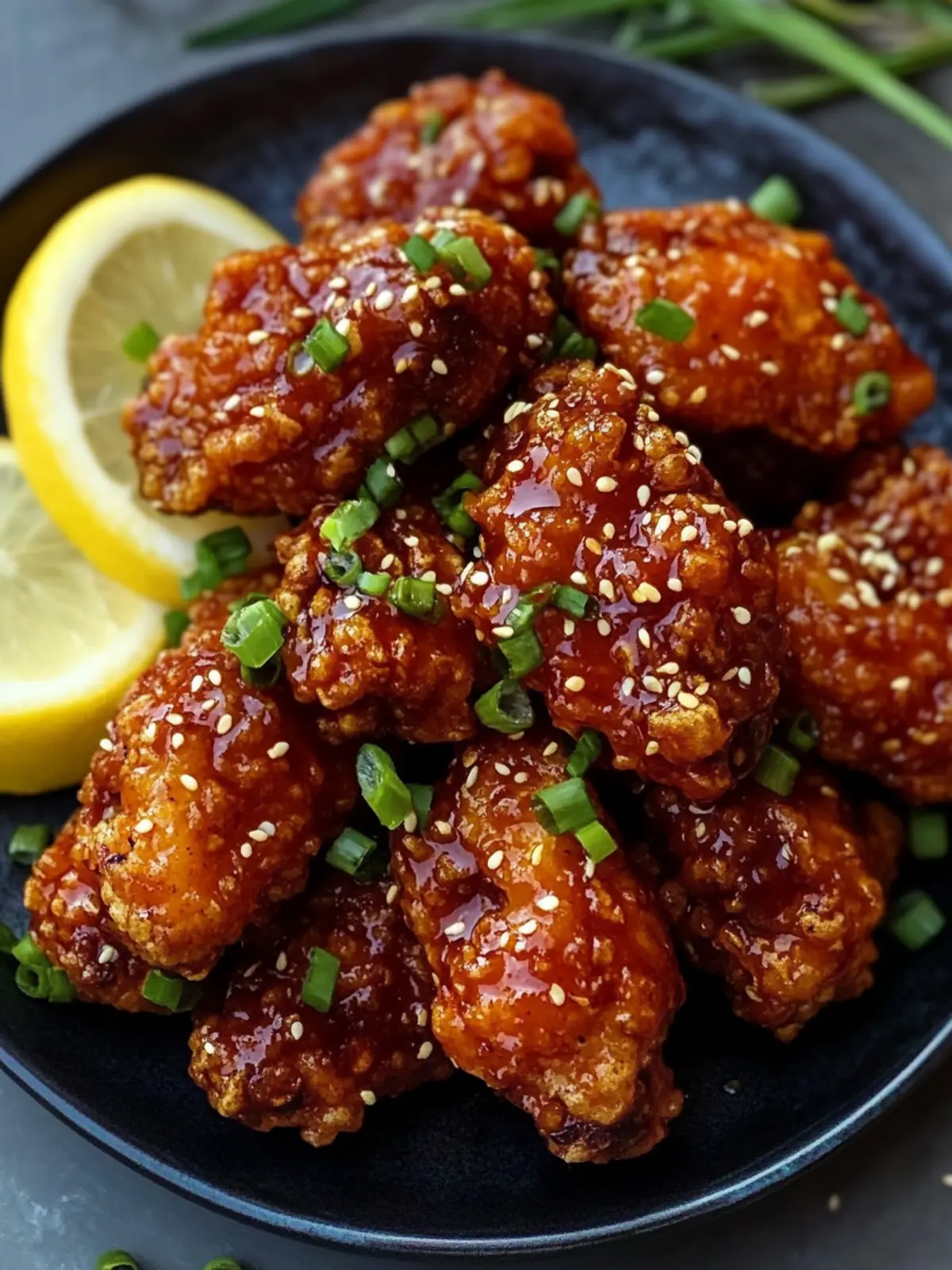
Why is Korean Fried Chicken so beloved?
Crispy Texture: The double-coating method delivers an unforgettable crunch that rivals any takeout.
Sweet and Spicy Delight: With a perfect balance of gochujang and honey, every bite is a flavor explosion.
Customizable Spice Level: Adjust the heat to match your taste buds, ensuring everyone enjoys it.
Budget-Friendly: Whip up this delectable dish without draining your wallet.
Quick Preparation: Ready in just 30 minutes, it s ideal for busy weeknights.
Crowd-Pleaser: Perfect for gatherings, it s bound to impress your family and friends. For more delicious ideas, check out some other easy chicken recipes.
Korean Fried Chicken Ingredients
For the Chicken
Chicken Breast Provides protein and serves as the main ingredient; you can substitute chicken thighs for more juiciness.
Cornstarch Essential for achieving a crispy exterior; don t skip this for the double fry method.
Flour Assists in the coating; opt for gluten-free flour if needed.
Salt Enhances the overall flavor profile; use kosher salt for better control.
Black Pepper Adds a mild heat that complements the chicken.
Eggs Binds the coating to the chicken for a satisfying crunch.
Canola Oil Ideal for frying due to its high smoke point, ensuring that your chicken gets crispy.
For the Sauce
Ketchup Adds sweetness and tang, balancing the spice of the sauce.
Gochujang Paste Infuses a distinct spicy flavor; adjust the amount based on your heat preference for the Korean Fried Chicken.
Honey Sweetens the sauce and balances the heat from the gochujang.
Brown Sugar Adds a depth of sweetness to elevate your sauce.
Soy Sauce Provides saltiness and umami flavor, enhancing the overall taste.
Water Thins out the sauce for better coating consistency.
Garlic (minced) Introduces aromatic notes that heighten the flavor.
Red Pepper Flakes Offers an optional spicy kick; skip it if you prefer milder flavors.
Sesame Oil Enhances the flavor profile with its nutty aroma and a hint of richness.
This ingredient list unlocks the essence of crispy Korean Fried Chicken, allowing you to create a mouthwatering dish that s perfect for any occasion!
How to Make Korean Fried Chicken
Prepare the Sauce: In a medium bowl, whisk together ketchup, gochujang, honey, brown sugar, soy sauce, water, minced garlic, red pepper flakes, and cornstarch until smooth; set aside for later.
Coat the Chicken: In a shallow bowl, mix cornstarch, flour, salt, and black pepper. In another bowl, beat the eggs. Dip chicken pieces in the egg, then coat thoroughly in the cornstarch mixture; repeat for extra crunch.
Fry the Chicken: Heat canola oil in a deep frying pan over medium-high heat. Fry the chicken in batches for about 8-10 minutes, until golden brown and crispy; drain on paper towels.
Coat with Sauce: Return fried chicken to the pan and pour in the sauce. Toss gently until each piece is evenly coated in that sweet and spicy goodness.
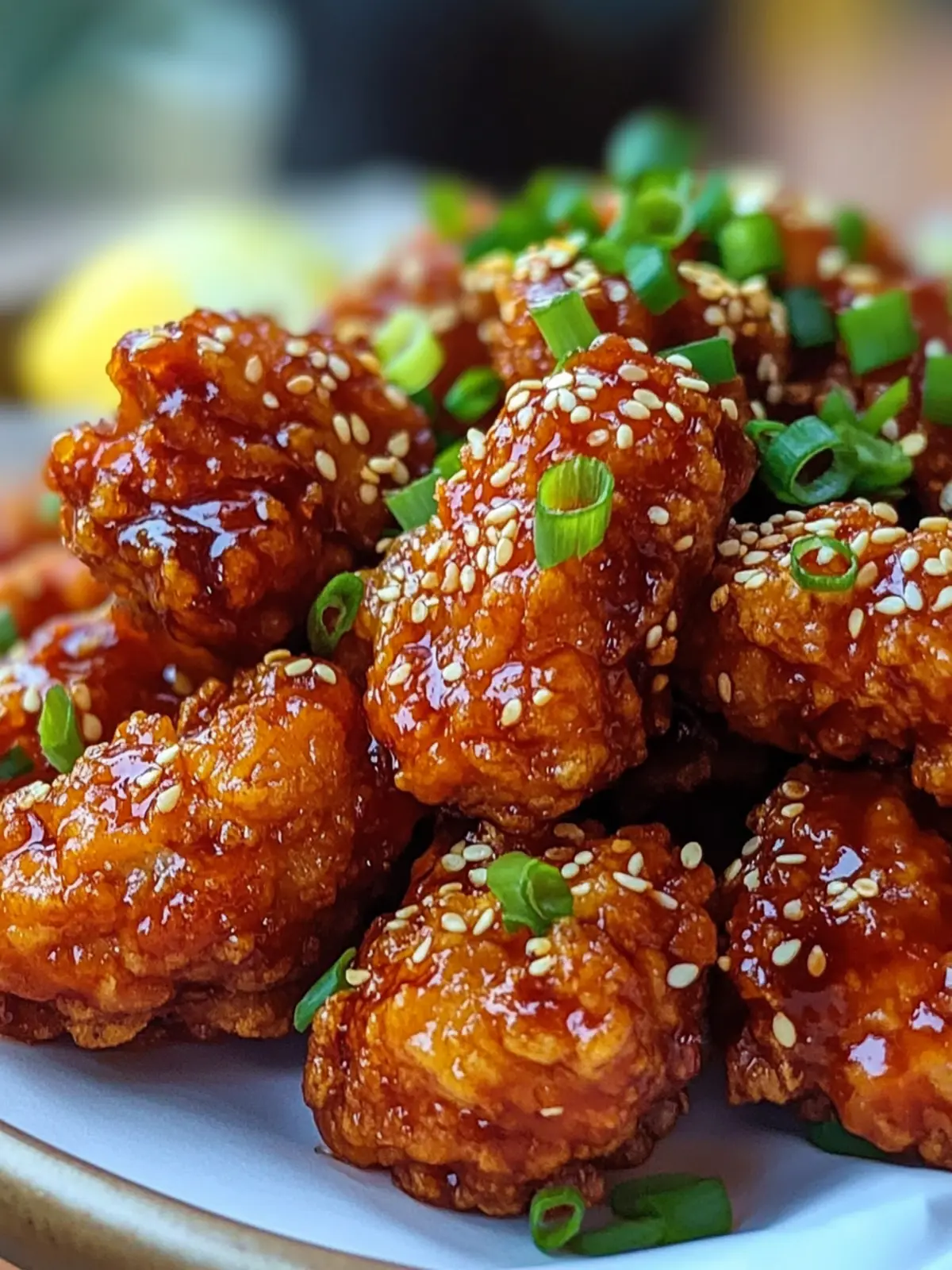
Serve: Serve warm, garnished with green onions or sesame seeds for an extra touch of flavor and flair.
Optional: Pair with pickled radishes for a refreshing crunch!
Exact quantities are listed in the recipe card below.
How to Store and Freeze Korean Fried Chicken
- Fridge: Store leftovers in an airtight container for up to 3 days to maintain freshness and prevent moisture buildup.
- Freezer: For longer storage, freeze portions in freezer-safe bags for up to 2 months. Ensure they are tightly sealed to prevent freezer burn.
- Reheating: To restore the crispiness, reheat in an oven at 375 °F (190 °C) for about 10-15 minutes or use a skillet with a bit of oil over medium heat.
- Thawing: If frozen, thaw Korean Fried Chicken in the fridge overnight before reheating for best results.
Make Ahead Options
These Korean Fried Chicken pieces are perfect for busy weeknights! You can prep the chicken and coating mixture up to 24 hours in advance just store the coated chicken in the refrigerator, ensuring it s covered to prevent drying out. Additionally, you can make the sauce ahead and refrigerate it for up to 3 days, keeping the flavors fresh and vibrant. When you re ready to serve, simply fry the chicken as directed and toss it in the pre-made sauce for that irresistible sweet and spicy finish. This make-ahead strategy not only saves time but ensures that your Korean Fried Chicken is just as delicious as if you d made it from scratch on the spot!
Korean Fried Chicken Variations
Embrace your culinary creativity and customize your Korean Fried Chicken just the way you like it!
Gluten-Free: Swap regular flour for gluten-free flour to enjoy this dish without the gluten.
Vegetarian Delight: Substitute chicken with firm tofu or crispy seitan for a tasty vegetarian option full of flavor.
Sauce Alternatives: Try using sweet chili sauce or teriyaki sauce to give your fried chicken an exciting twist.
Spicy Kick: Add more gochujang or toss in fresh diced jalape os for those who love an extra spicy experience.
Honey Garlic: Mix in some garlic powder and fresh minced garlic with your traditional sauce for a delicious honey garlic variation.
Herb-Infused: Toss in herbs like chopped cilantro or chives after coating for a refreshing burst of flavor that complements the dish perfectly.
Sesame Crunch: Sprinkle toasted sesame seeds into the final coating mix for added texture and a nutty aroma that elevates each bite.
Sweet and Savory: Add a splash of pineapple juice to your sauce for a delightful sweet-savory tang that will surprise your taste buds!
What to Serve with Korean Fried Chicken?
Enjoy the vibrant flavors of your Korean Fried Chicken alongside these delicious meal accompaniments.
- Steamed Rice: A perfect canvas for soaking up the flavorful sauce, offering a comforting and hearty side.
- Pickled Radishes: Their crisp texture and tangy flavor contrast beautifully with the spice, making each bite refreshing and balanced.
- Sesame Noodles: These savory noodles provide a delightful chew and nutty flavor, complementing the chicken s crunch.
- Kimchi: A classic Korean side, its spicy and fermented taste adds an extra layer of depth that enhances the meal.
- Sauteed Bok Choy: Lightly saut ed, this green adds a fresh crunch and slight bitterness that helps balance the richness of the chicken.
- Cucumber Salad: Light and refreshing, a simple cucumber salad dressed with rice vinegar can cleanse the palate between bites.
- Korean Beer: For a cooling pairing, icy cold Korean beer perfectly contrasts the crispy, spicy chicken, enhancing the overall experience.
- Mochi Ice Cream: For dessert, this sweet treat offers a chewy texture and delightful flavors that round off your meal memorably.
Expert Tips for Korean Fried Chicken
- Rest the Chicken: Allow the coated chicken to rest for about 10 minutes before frying for extra crunch. This helps the coating adhere better.
- Maintain Oil Temperature: Avoid overcrowding the pan while frying; this keeps the oil hot and ensures that the Korean Fried Chicken stays crispy and doesn t become soggy.
- Use Fresh Ingredients: Fresh garlic and quality gochujang elevate the sauce s flavor; don t opt for stale ingredients.
- Customize Your Spice: Adjust the amount of gochujang based on your spice preference to create your ideal level of heat.
- Save the Frying Bits: Discard used oil but keep the crispy bits left in the pan for added flavor in your sauce.
- Reheat Wisely: For leftover Korean Fried Chicken, reheat in an oven or skillet with a bit of oil to revive its crispiness, avoiding the microwave.
Korean Fried Chicken Recipe FAQs
What type of chicken is best for Korean Fried Chicken?
Absolutely! While chicken breast is the most common choice for Korean Fried Chicken, many chefs recommend using chicken thighs for their juiciness and flavor. If you prefer a leaner option, chicken breast works great, but the thighs will yield a more tender result.
How long can I store leftover Korean Fried Chicken in the fridge?
You can store your leftover Korean Fried Chicken in an airtight container in the fridge for up to 3 days. I highly recommend letting the chicken cool completely before sealing it; this helps prevent moisture buildup that could make the coating soggy.
Can I freeze Korean Fried Chicken?
Yes, you certainly can! For longer storage, freeze portions of Korean Fried Chicken in freezer-safe bags for up to 2 months. Make sure to remove as much air as possible from the bags to prevent freezer burn. When you re ready to enjoy, thaw the chicken in the fridge overnight before reheating.
What should I do if the coating doesn t stick to my chicken?
If you find that the coating doesn t stick well, try these tips: first, make sure the chicken is patted dry with paper towels before dipping it into the egg mixture. You can also increase the resting time after coating; letting it sit for about 10 minutes helps set the coating better, leading to a crunchier texture.
Is there a gluten-free option for this recipe?
Definitely! To make gluten-free Korean Fried Chicken, simply substitute regular flour with a gluten-free all-purpose flour blend. Additionally, double-check the labels on your soy sauce and gochujang, as some brands may contain gluten. With these adjustments, you can enjoy this delectable dish without worry!
How should I store the frying oil after cooking?
You can save the frying oil for future use by straining it through a fine mesh sieve to remove any food particles. Store it in a sealed container in a cool, dark place; it can last for about a month. I often save the bits stuck at the bottom for adding extra flavor to sauces or other dishes just remember to discard the oil once it starts to smell off or appears cloudy.